
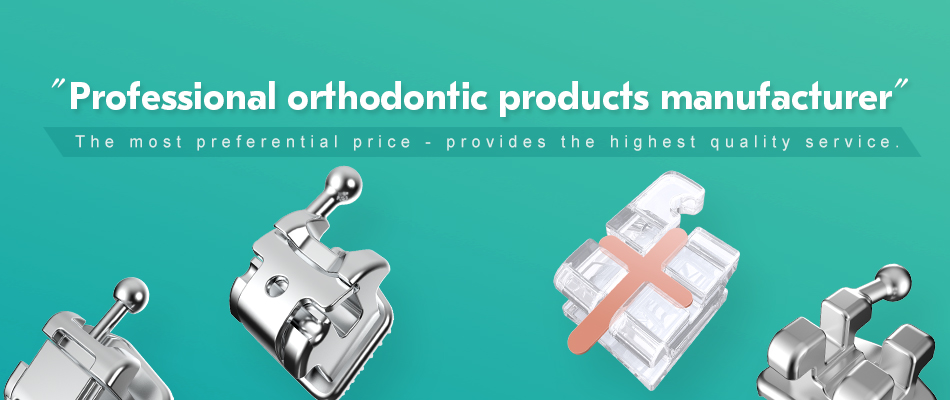

The global orthodontic wire manufacturing industry is undergoing a significant transformation driven by the integration of digital dentistry and the rising demand for aesthetic, high-performance treatment solutions. Market data from Fortune Business Insights indicates that the orthodontic supplies sector is projected to reach USD 9.50 billion in 2026, growing at a robust CAGR through 2034. This growth is primarily fueled by advancements in material science, such as shape memory alloys and super-elastic titanium-based wires, which optimize clinical efficiency. Manufacturers are increasingly focusing on precision engineering to meet the needs of specialty clinics, which are expected to maintain a dominant market share of nearly 90% in 2026.
Dominant Material Trends in Orthodontic Wire Production
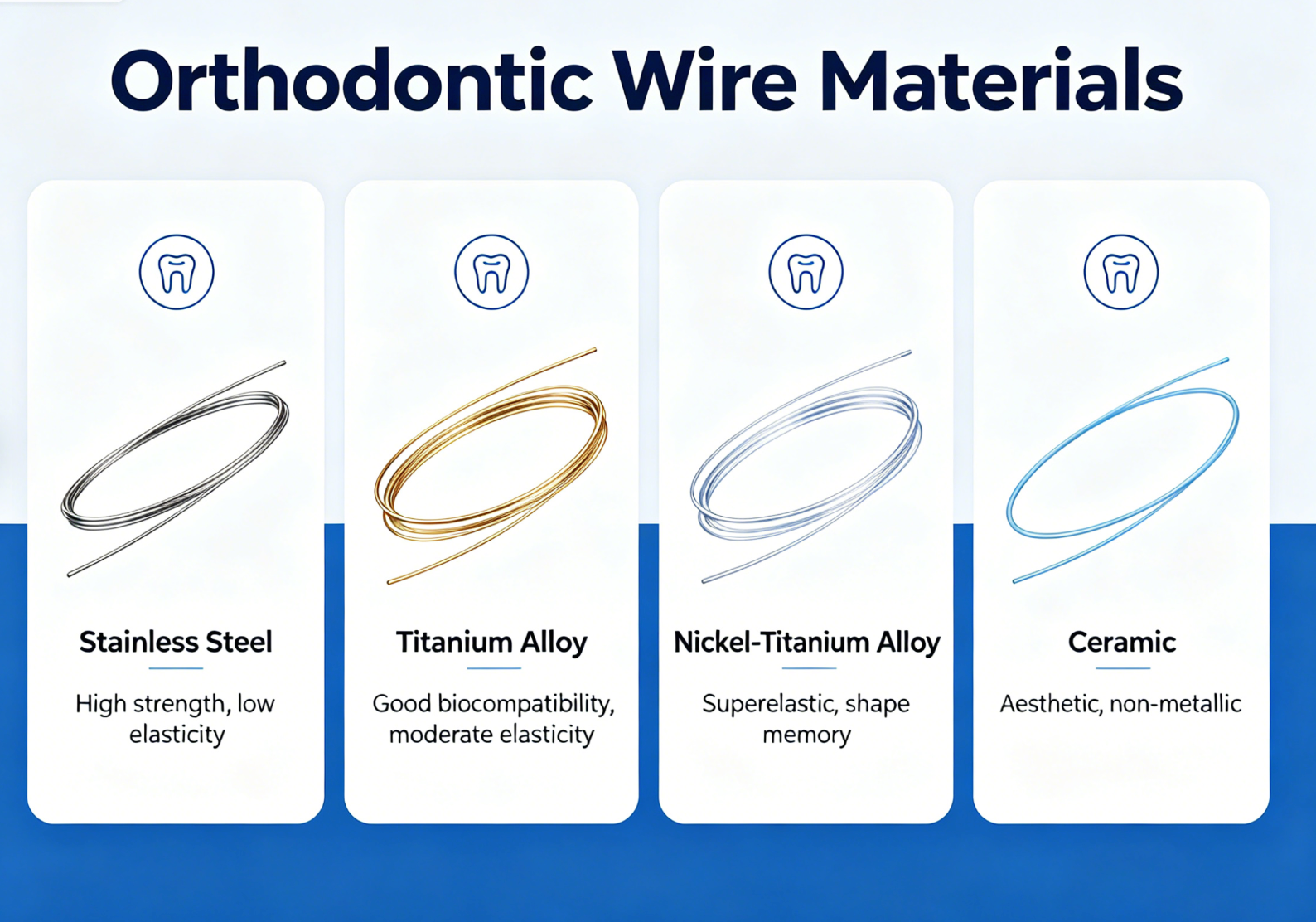
The selection of raw materials remains a critical factor in determining the clinical success of orthodontic treatments. As of 2026, stainless steel orthodontic wires continue to hold a significant market share, approximately 44.6%, due to their superior stiffness and cost-effectiveness in the finishing stages of treatment. However, there is a marked shift toward advanced alloys. According to a report by Mordor Intelligence, ceramic-coated and aesthetic metal wires are experiencing a CAGR of 13.51%. These innovations address the growing adult patient demographic seeking discreet corrective options through the use of premium orthodontic wire products.
Comparison of Primary Orthodontic Wire Materials (2026 Data)
| Material Type | Estimated Market Share (2026) | Primary Advantage | Typical Application |
|---|---|---|---|
| Stainless Steel | 44.6% | High Formability | Finishing & Space Closure |
| Nickel-Titanium (NiTi) | 32.5% | Super-elasticity | Initial Leveling & Alignment |
| Beta-Titanium (TMA) | 15.2% | Nickel-Free/Good Spring | Intermediate Detailing |
| Aesthetic/Coated | 7.7% | Visual Appeal | Aesthetic Braces Systems |
Technological Drivers Enhancing Orthodontic Wire Manufacturing Precision
Technological integration is the primary catalyst for modernizing the orthodontic wire manufacturing process. The industry is shifting from standardized mass production to personalized wire bending facilitated by AI-driven robotics. Research published by the American Association of Orthodontists (AAO) highlights that digital workflows reduce chair time by up to 30%. High-quality Niti orthodontic archwires are now being engineered with programmed force delivery systems, allowing for more predictable tooth movement and improved patient comfort. These technical advancements ensure that manufacturers can produce wires with consistent mechanical properties and surface finishes.
Regional Market Dynamics and Manufacturing Hotspots
Geographical shifts in production and consumption are reshaping the global landscape. North America remains the largest market, accounting for approximately 38% of the global share in 2026, supported by a high prevalence of malocclusion and advanced dental infrastructure. Meanwhile, the Asia-Pacific region is identified as the fastest-growing market. According to Coherent Market Insights, increasing disposable income in China and India is driving the demand for high-quality dental orthodontic supplies. Manufacturers in these regions are rapidly adopting ISO-certified quality standards to compete on a global scale.
Regional Growth Projections for Orthodontic Supplies (2026)
- North America: Projected market valuation of USD 3.61 billion, focused on premium super elastic Niti wires.
- Europe: Steady growth in the UK and Germany, reaching a combined USD 0.76 billion market size.
- Asia-Pacific: Highest CAGR due to the expansion of dental service organizations (DSOs) and localized manufacturing of stainless steel archwires.
- Latin America: Increasing adoption of dental corrective tools in emerging urban centers.
Sustainability and Regulatory Compliance in Orthodontic Wire Fabrication
Environmental sustainability and strict regulatory adherence are becoming non-negotiable in the orthodontic wire manufacturing industry. Manufacturers must comply with updated medical device regulations (MDR) to ensure biocompatibility and patient safety. Data from the National Institutes of Health (NIH) suggests a growing preference for nickel-free alloys to prevent allergic reactions, which affects approximately 10-20% of the population. Consequently, the production of TMA orthodontic wires and bio-resorbable coating materials is gaining traction. Companies are also investing in closed-loop recycling systems for scrap medical-grade metals to reduce their carbon footprint.
Key Quality Standards for Orthodontic Wire Manufacturers
- ISO 13485 Certification: Ensures a comprehensive quality management system for medical device design and manufacture.
- Biocompatibility Testing (ISO 10993): Verification that materials do not induce toxic or immunological responses.
- Mechanical Property Verification: Testing for tensile strength, load-deflection rates, and corrosion resistance.
- Surface Topography Analysis: Utilizing scanning electron microscopy to ensure minimal friction in orthodontic archwire performance.
Future Outlook: Smart Materials and AI Integration
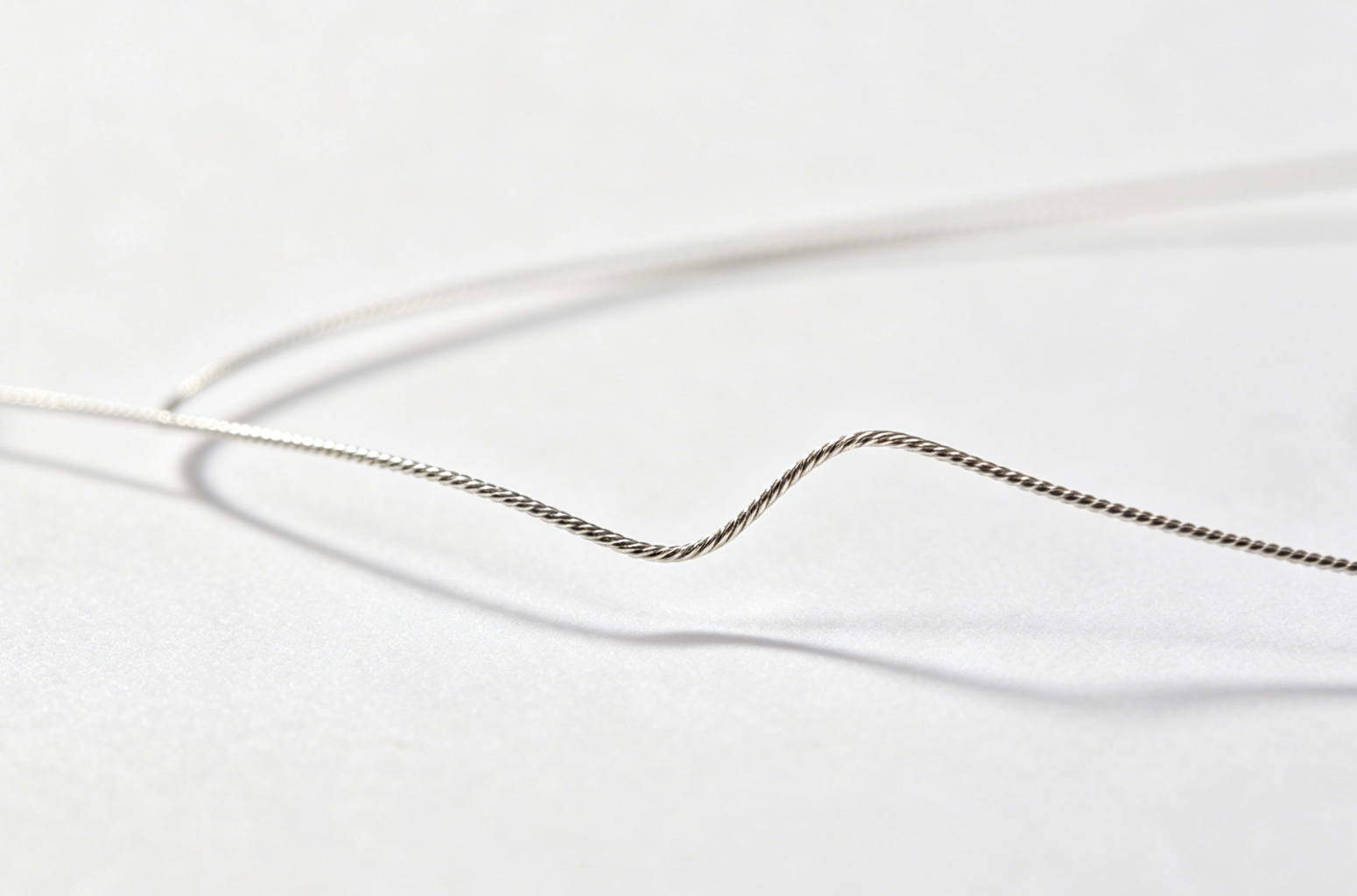
Looking beyond 2026, the industry is poised to adopt “smart” materials that respond to intraoral temperature changes with even greater precision. The integration of AI-powered customization allows for the fabrication of patient-specific wires that match unique dental arches perfectly. This evolution is expected to further marginalize traditional manufacturing methods in favor of automated, data-driven systems. As the industry matures, the focus will remain on balancing high-performance mechanics with the biological requirements of the periodontal ligament, ensuring that orthodontic treatment solutions are both effective and minimally invasive.
FAQ: Common Queries on Orthodontic Wire Manufacturing
Q1: What are the primary differences between Niti and Stainless Steel orthodontic wires?
Nickel-Titanium (Niti) wires are utilized during the initial stages of treatment due to their super-elastic properties and constant force delivery. In contrast, stainless steel wires provide higher rigidity and formability, making them ideal for the final stages of tooth positioning and space closure where stability is paramount.
Q2: How does the manufacturing process ensure the “shape memory” of NiTi wires?
The “shape memory” effect is achieved through a precise heat-treatment process called “setting.” Manufacturers manipulate the transition temperature between the martensitic and austenitic phases of the alloy. This allows the wire to return to its pre-programmed shape when activated by the heat of the patient’s mouth.
Q3: Are there specific wires recommended for patients with metal allergies?
For patients with nickel sensitivities, Beta-Titanium (TMA) archwires or ceramic-coated wires are the preferred choice. TMA wires are completely nickel-free and offer a balance of flexibility and strength that sits between Niti and stainless steel, ensuring a safe and effective treatment alternative.
Q4: How does wire friction impact the duration of orthodontic treatment?
Surface roughness in wires increases friction between the archwire and the bracket slot, which can slow down tooth movement. High-quality manufacturing involves advanced polishing techniques to create a smooth surface, thereby reducing “binding” and “notching,” which ultimately shortens the total treatment time for the patient.
Q5: What is the significance of “force levels” in orthodontic wire selection?
Force levels refer to the amount of pressure a wire exerts on the teeth. Manufacturers calibrate these levels to ensure they stay within the “biological window”—enough force to move teeth but not so much that it causes root resorption or pain. Smart wires provide multi-zone force delivery for optimized results.
Post time: Apr-15-2026