
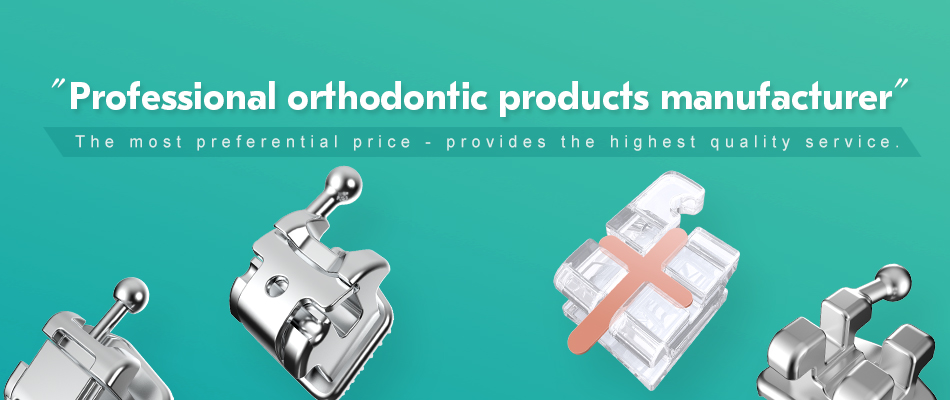

Self-ligating braces are a modern type of orthodontic braces designed to reduce friction and simplify wire changes. They are often chosen for patients who want a fixed appliance with a more streamlined clinical experience. (aaoinfo.org)
What Self-Ligating Braces Are and Why Patients Ask About Them
Self-ligating braces are fixed brackets that secure the archwire with an integrated mechanism rather than elastic ligatures. This design can make the system easier to open and close during adjustments, which is one reason patients and orthodontists consider it. (aaoinfo.org)
Patients usually ask about them because they want less discomfort, fewer chairside steps, and a cleaner-looking appliance. Those expectations are understandable, but the clinical benefit depends on the malocclusion, the treatment plan, and how the orthodontist sequences the wires. (pubmed.ncbi.nlm.nih.gov)
Quick Comparison Table: Self-Ligating Braces vs Conventional Braces
Comparison Table: Self-Ligating Braces vs Conventional Braces
| Feature | Self-Ligating Braces | Conventional Braces |
|---|---|---|
| Wire retention | Built-in clip or door | Elastic or metal ties |
| Friction during sliding | Often lower in passive designs | Often higher because of ligatures |
| Appointment steps | Usually fewer ligation steps | More steps for tie placement |
| Patient comfort | May feel smoother for some patients | Comfort varies by wire and tie type |
| Evidence on total treatment time | No consistent advantage proven | No consistent disadvantage proven |
The main difference is the ligation method, not the basic purpose of treatment. Both systems move teeth by applying controlled force over time, and both still require patient cooperation. (aaoinfo.org)
What Are the Benefits of Self-Ligating Braces for Patients?
The most practical benefit is often easier wire changes during visits. Because the bracket has an integrated closing mechanism, the orthodontist may spend less time removing and replacing ties, which can shorten chair time for some appointments. (pubmed.ncbi.nlm.nih.gov)
Another possible benefit is reduced friction in passive systems, especially during early alignment and leveling. Lower friction may help the archwire slide more freely, but that does not automatically mean faster treatment for every patient. (pubmed.ncbi.nlm.nih.gov)
Some patients also report a more comfortable experience, particularly after initial archwire placement. However, clinical studies show mixed results, and comfort depends on wire size, crowding severity, and individual pain sensitivity. (pubmed.ncbi.nlm.nih.gov)
For patients who value a simpler appliance design, self-ligating systems can also reduce the number of elastic ties used in the mouth. That may make oral hygiene easier for some people, although brushing and interdental cleaning are still essential. (nhs.uk)
Key Patient Factors That Influence the Real Benefit
The best appliance choice depends more on the case than on the bracket label. Crowding, bite relationship, extraction needs, and treatment goals all influence whether self-ligating braces offer a meaningful advantage. (nhs.uk)
Patients with mild to moderate alignment needs may notice the convenience benefits more clearly than patients with complex bite correction. In more demanding cases, the orthodontist may prioritize torque control, finishing detail, and anchorage management over friction differences. (pubmed.ncbi.nlm.nih.gov)
The wire sequence also matters because the bracket works as part of a system. NiTi archwires are commonly used for initial alignment, while stainless steel wires are often used later for control and detailing. (aaoinfo.org)
Table: Typical Patient Questions and Practical Answers
| Patient question | Practical answer |
|---|---|
| Will it hurt less? | Maybe for some patients, but not consistently in every study. |
| Will treatment be faster? | Not necessarily; evidence does not show a universal time advantage. |
| Will visits be shorter? | Often, yes, because wire changes can be simpler. |
| Is cleaning easier? | Sometimes, but daily hygiene is still critical. |
| Is it better for all cases? | No, the orthodontist must match the appliance to the diagnosis. |
What Patients Usually Notice During Daily Life
Daily life with braces is shaped more by habits than by bracket type. Patients still need to avoid very hard or sticky foods, brush carefully after meals, and use interdental cleaning tools as advised by the orthodontist. (nhs.uk)
Eating restrictions are similar for both systems because the brackets and wires can still be damaged by biting into hard foods. NHS guidance for fixed braces emphasizes careful cleaning and softer food choices when needed, which applies equally to self-ligating and conventional appliances. (nhs.uk)
Patients should also expect periodic soreness after adjustments, especially when a new archwire is placed. That soreness is usually temporary and reflects tooth movement rather than a problem with the appliance. (aaoinfo.org)

Clinical Materials and Design Choices Behind the Braces
Bracket design affects how the system feels and performs, even when the treatment goal is the same. Metal versions are common for strength and durability, while ceramic or sapphire options are used when appearance matters more. (aaoinfo.org)
Different self-ligating mechanisms also behave differently. Passive designs tend to emphasize lower friction, while active designs may provide more engagement with the wire, which can influence how the orthodontist controls tooth movement. (pubmed.ncbi.nlm.nih.gov)
For readers comparing product categories, a manufacturer such as Denrotary organizes its orthodontic portfolio around bracket systems, buccal tubes, archwires, elastic accessories, and orthodontic pliers. That kind of product structure matters mainly to clinicians and distributors, not to the patient’s day-to-day treatment decision. (aaoinfo.org)
Where Self-Ligating Braces Fit in Modern Orthodontic Treatment
Self-ligating braces are best understood as one option within fixed orthodontic treatment, not as a universal upgrade. AAO and NHS patient guidance both stress that treatment choice should be individualized and based on the specific orthodontic problem. (aaoinfo.org)
For patients, the real question is whether the system supports their diagnosis, comfort needs, and lifestyle. For orthodontists, the question is whether the bracket helps them deliver predictable movement and finishing quality. (aaoinfo.org)
If you are comparing options, it is reasonable to ask about appointment time, expected soreness, hygiene demands, and the orthodontist’s experience with the appliance. Those practical questions are often more useful than focusing only on the bracket name. (aaoinfo.org)
Supplier Directory and Product Categories
Patients do not usually choose brackets directly, but clinics and distributors often evaluate product families by category. For a broader view of orthodontic components, the main product groups on the target site include orthodontic bracket systems, buccal tube and band systems, orthodontic archwire systems, elastic accessories, and orthodontic pliers and tools.
These categories are relevant because fixed treatment works as a coordinated system. Brackets, wires, tubes, and auxiliaries must all match the treatment stage and the orthodontist’s mechanics. (aaoinfo.org)
How Patients Can Decide Whether They Are a Good Fit
The best way to decide is to compare diagnosis, comfort expectations, and hygiene habits with the orthodontist’s recommendation. A patient with strong hygiene habits and a preference for fewer ligation steps may appreciate the design, but that does not replace clinical judgment. (nhs.uk)
Patients should also ask whether the orthodontist expects any measurable advantage in their specific case. If the answer is uncertain, that is normal, because the evidence does not support a blanket claim that self-ligating systems are always faster or less painful. (pubmed.ncbi.nlm.nih.gov)
FAQ
1. Are self-ligating braces better than regular braces?
They are not automatically better for every patient. They may offer easier wire changes and sometimes lower friction, but studies do not show a universal advantage in total treatment time or pain. The best choice depends on the bite problem, treatment goals, and orthodontist preference. (pubmed.ncbi.nlm.nih.gov)
2. Do self-ligating braces hurt less?
Some patients feel less discomfort, especially after initial wire placement, but the evidence is mixed. Pain depends on crowding, wire type, and individual sensitivity. A smoother bracket design may help comfort, yet it does not eliminate the normal soreness that comes with tooth movement. (pubmed.ncbi.nlm.nih.gov)
3. Do self-ligating braces work faster?
Not reliably. Systematic reviews have found no consistent reduction in overall treatment time, and some analyses even reported longer treatment durations in self-ligating groups. Treatment speed depends more on diagnosis, mechanics, and patient cooperation than on the bracket mechanism alone. (pubmed.ncbi.nlm.nih.gov)
4. Are self-ligating braces easier to clean?
They can be somewhat easier to clean because they use fewer elastic ties, which may reduce plaque-retaining areas. Even so, patients still need careful brushing, interdental cleaning, and food caution. Good hygiene remains essential regardless of bracket type. (nhs.uk)
5. Who is a good candidate for self-ligating braces?
They may suit patients who want a fixed appliance with simpler visits and a streamlined design. They are not limited to one age group, but the orthodontist must confirm that the system fits the malocclusion, bite correction needs, and finishing requirements. (aaoinfo.org)
Post time: Aug-31-2026