

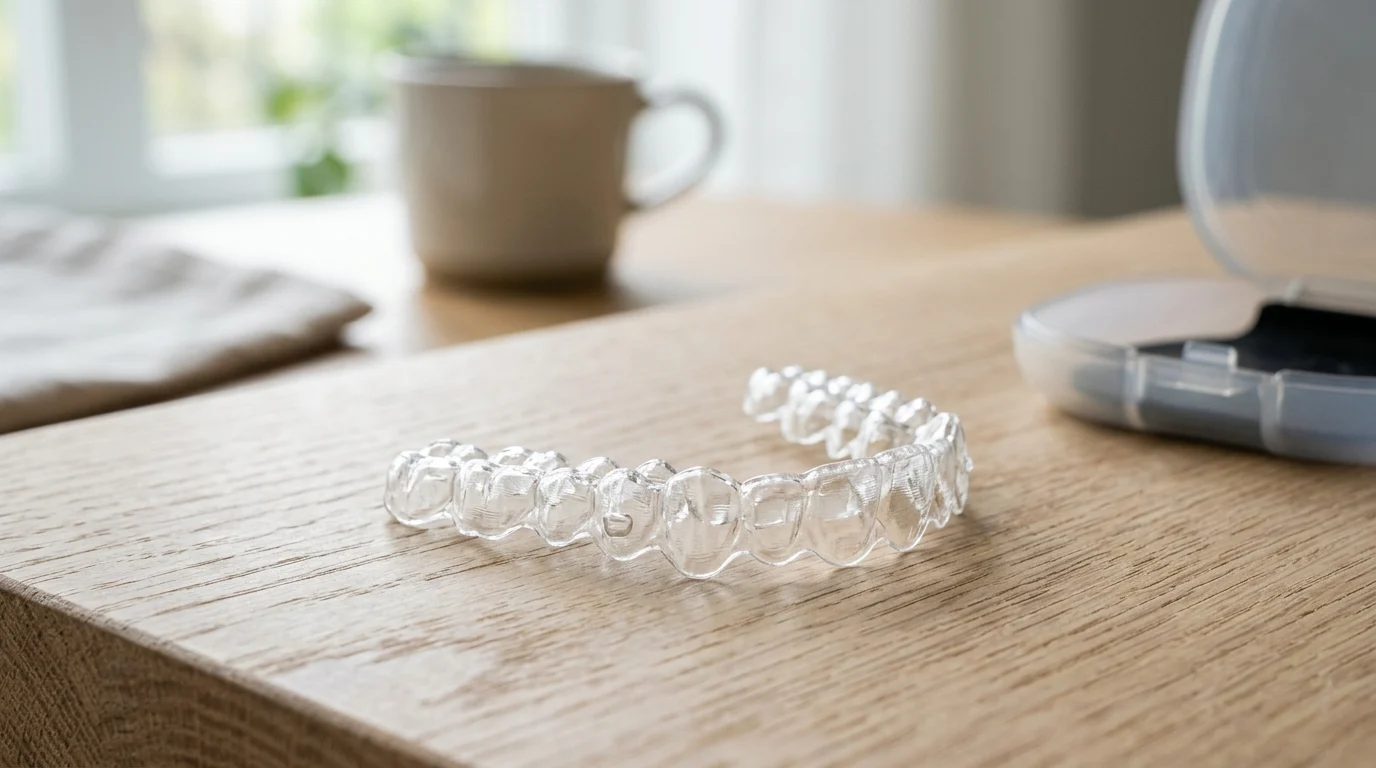
Clear Aligner Innovation and Orthodontic Market Growth
The orthodontic industry has undergone a radical transformation over the past decade, shifting from a near-exclusive reliance on traditional metal and ceramic brackets to the widespread adoption of clear aligner systems. For B2B wholesale buyers, distributors, and clinical procurement teams, this transition represents a critical inflection point in inventory strategy and revenue generation. Clear aligner innovation is no longer a niche alternative; it is the primary engine of orthodontic market growth, fundamentally altering supply chain dynamics and clinical workflows.
As the global orthodontic supplies market continues to expand, clear aligners are capturing a disproportionate share of that growth. Advanced thermoplastic materials, integrated digital scanning, and automated 3D-printing workflows have enabled manufacturers to scale production while maintaining exacting clinical tolerances. For distributors, understanding the mechanics of this innovation is essential for capturing market share and optimizing procurement strategies in an increasingly digital dental landscape.
Demand Drivers in B2B Orthodontics
The surge in B2B demand for clear aligners is heavily driven by adult orthodontics and the digitization of dental practices. Market data indicates that the global clear aligner market is compounding at an annual growth rate (CAGR) exceeding 29%, with projections placing market valuation above $10 billion by 2028. This explosive demand is fueled by innovations in intraoral scanning and CAD/CAM software, which allow clinics to bypass physical impressions and transmit patient data directly to manufacturing facilities. Consequently, wholesale buyers are seeing a massive spike in orders for comprehensive aligner systems, forcing a pivot from bulk hardware purchasing to customized, just-in-time manufacturing models.
Why Buyers Prefer Aligners Over Traditional Options
Procurement teams and distributors increasingly favor clear aligners over traditional systems due to simplified inventory management and higher price-per-case margins. Traditional orthodontic systems require stocking thousands of SKUs, including various prescriptions of MIM 17-4 stainless steel brackets, buccal tubes, arch wires, and latex-free polyurethane power chains. In contrast, clear aligners consolidate the physical inventory into bundled, patient-specific shipments. This reduction in SKU complexity significantly lowers warehousing costs and mitigates the risk of dead stock.
| Metric | Traditional Brackets & Wires | Clear Aligner Systems |
|---|---|---|
| Inventory Complexity | High (1,000+ SKUs of brackets, wires, elastics) | Low (Patient-specific bundled cases) |
| Storage Requirements | Bulk warehousing, bin management | Just-in-time staging, minimal shelf space |
| Average Clinical Chair Time | 45-60 minutes per adjustment | 10-15 minutes per check-up |
| Wholesale Margin Potential | Moderate (Volume-dependent) | High (Premium product positioning) |
Commercial Scalability of Clear Aligner Solutions
The commercial scalability of clear aligner manufacturing represents a major departure from legacy orthodontic production. While traditional bracket manufacturing relies on heavy industrial processes like metal injection molding (MIM) or ceramic sintering, aligner production is deeply rooted in digital workflows and automated thermoforming. This shift allows manufacturers to scale output rapidly without linear increases in manual labor, presenting highly predictable supply chains for B2B buyers.
Digital Workflow and Product Specifications
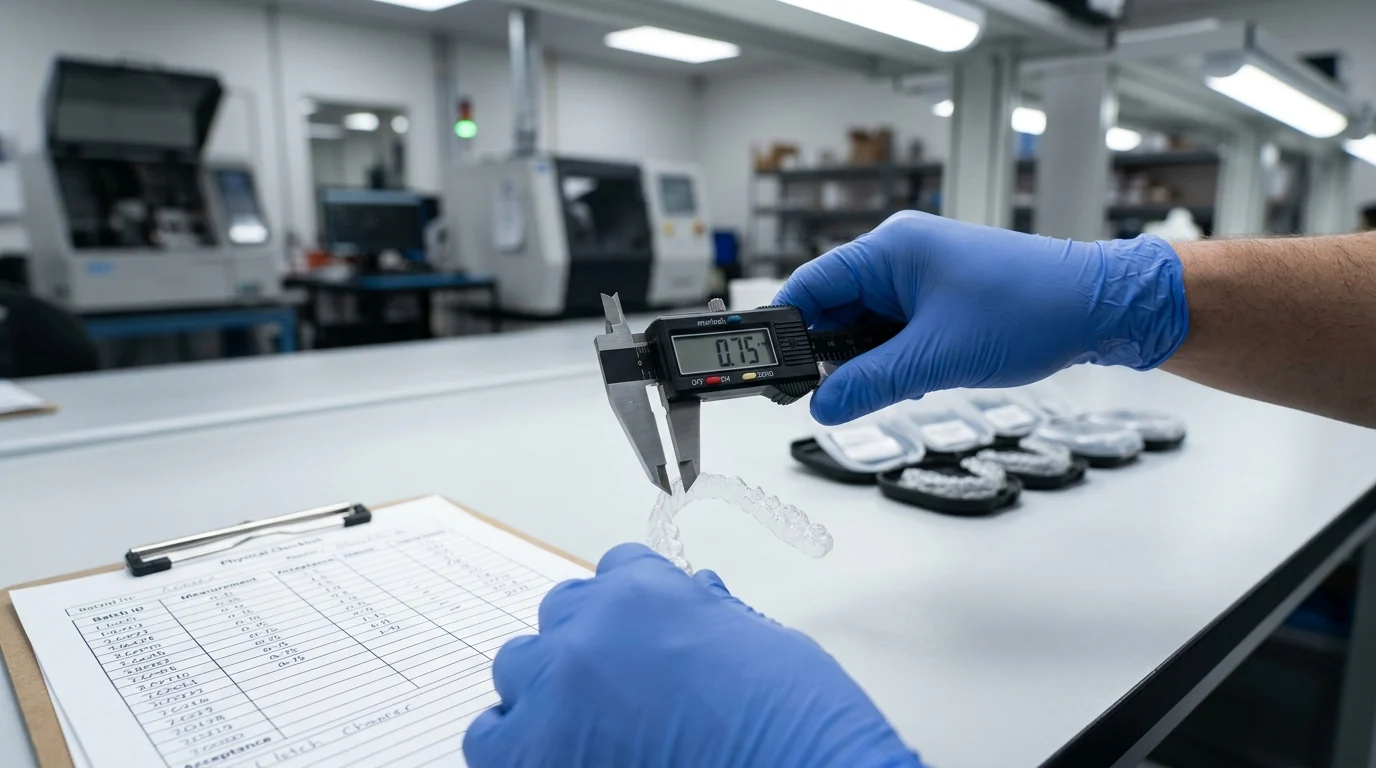
At the core of clear aligner scalability is the digital thread connecting clinical diagnosis to factory-floor production. Intraoral scans are processed using proprietary CAD software to simulate tooth movement, generating a series of digital models that are subsequently 3D printed. The aligners themselves are thermoformed over these resin models using specialized multilayer polymers. Standard product specifications for medical-grade aligner plastics typically dictate a thickness ranging from 0.76mm to 0.80mm, utilizing thermoplastic polyurethane (TPU) or PETG blends designed to deliver sustained, low-friction orthodontic forces over a 7- to 14-day wear cycle.
Cost and Operational Advantages
For distributors and large dental service organizations (DSOs), the operational advantages of aligners translate directly to the bottom line. By standardizing the digital intake process, manufacturers can automate the generation of treatment plans, reducing the per-unit cost of engineering. This scalability allows top-tier manufacturers to produce upwards of 10,000 to 50,000 arches weekly. For the clinic, the use of aligners reduces emergency visits for broken brackets or poking wires by an estimated 40% to 50%, freeing up chair time and allowing practices to increase patient volume—thereby driving continuous B2B reorders.
Key Criteria for Buyer Evaluation
When evaluating aligner solutions, wholesale buyers must look beyond marketing claims and scrutinize technical specifications. Key performance indicators include material tensile strength (typically requiring >40 MPa to prevent tearing), stress relaxation rates, and optical clarity over time. Furthermore, buyers should assess the software ecosystem accompanying the physical product. An open-platform approach that accepts STL or PLY files from any major intraoral scanner ensures maximum market penetration, whereas closed ecosystems may artificially limit a distributor’s potential customer base.
Sourcing and Supplier Qualification
Sourcing reliable clear aligner manufacturers requires a sophisticated approach to supplier qualification. Unlike standard consumable purchasing, aligner procurement involves partnering with entities that act as both physical manufacturers and digital service providers. Wholesale buyers must ensure that their chosen partners possess the necessary medical-grade infrastructure, regulatory clearances, and quality control mechanisms to deliver consistent clinical outcomes.
Supplier Assessment Criteria
A rigorous supplier assessment must evaluate both software engineering capabilities and physical production capacity. Leading orthodontic product manufacturers operate modern workshops equipped with advanced German thermoforming and 5-axis trimming equipment to ensure precision margins. Buyers should verify the supplier’s weekly output capacity—such as a baseline of 10,000 pieces per week—to ensure they can handle scaling volumes during peak promotional quarters. Additionally, the supplier’s ability to source premium raw materials, such as biocompatible multilayer foils from established chemical conglomerates, is a critical indicator of long-term reliability.
Compliance and Quality Documentation
Regulatory compliance is non-negotiable in the global trade of orthodontic medical devices. Procurement teams must demand comprehensive documentation before initiating any commercial agreement. Essential certifications include ISO 13485 for medical device quality management systems, CE marking for the European Economic Area, and FDA 510(k) clearance for the United States market. Furthermore, strict internal quality controls should be evident; elite suppliers typically maintain a defect rate of <0.5%, supported by automated optical inspection systems that verify the dimensional accuracy of every aligner against the original digital blueprint.
Practical Steps for Procurement Teams
Procurement teams should initiate the sourcing process by requesting sample sets and material safety data sheets (MSDS) to verify ISO 10993 biocompatibility standards. Following sample approval, buyers should conduct a pilot run of 10 to 20 complex clinical cases to evaluate the supplier’s software interface, treatment planning accuracy, and communication protocols. Establishing clear Service Level Agreements (SLAs) regarding revision policies, remake logistics, and intellectual property protections for patient data is a vital final step before finalizing a distribution contract.
Channel Economics and Distribution Performance
The financial architecture of clear aligner distribution offers highly attractive channel economics compared to traditional dental consumables. Because aligners are positioned as premium, value-added medical devices, they command higher retail price points, creating substantial margin opportunities across the supply chain. However, realizing these profits requires tight control over logistics, shipping costs, and manufacturing turnaround times.
Margin Opportunities for Distributors
Distributors occupy a lucrative position in the clear aligner value chain, bridging the gap between high-volume offshore or centralized manufacturing and fragmented local dental practices. Wholesale manufacturing costs for a comprehensive, full-arch clear aligner case typically range from $200 to $500, depending on case complexity, number of stages, and white-labeling services. Given that clinical fees for end-to-end aligner treatments frequently exceed $3,000 to $5,000 globally, distributors can often negotiate gross margins of 30% to 45% when supplying regional DSOs or independent orthodontists, provided they offer localized clinical support and seamless portal integration.
Impact of Logistics and Turnaround Time
Because aligners are custom-manufactured on demand, logistics and turnaround time (TAT) are critical determinants of a distributor’s market success. Delays in shipping not only frustrate clinicians but can also compromise treatment outcomes if a patient’s dentition shifts while waiting for the next phase of aligners. Efficient supply chains target a 7- to 10-day turnaround from the moment a digital scan is approved to the physical delivery of the aligner box at the clinic.
| Turnaround Time (Scan to Delivery) | Distributor Impact | Clinical Reception |
|---|---|---|
| Under 7 Days | Premium positioning, higher contract retention | Excellent; allows rapid start of patient treatment |
| 7 to 12 Days | Standard operational baseline | Acceptable; aligns with typical scheduling workflows |
| 13 to 21 Days | Increased risk of order cancellations | Poor; high risk of patient attrition and clinical frustration |
| Over 21 Days | Unviable for competitive B2B distribution | Unacceptable; necessitates switching to alternative suppliers |
Investment Considerations for B2B Buyers
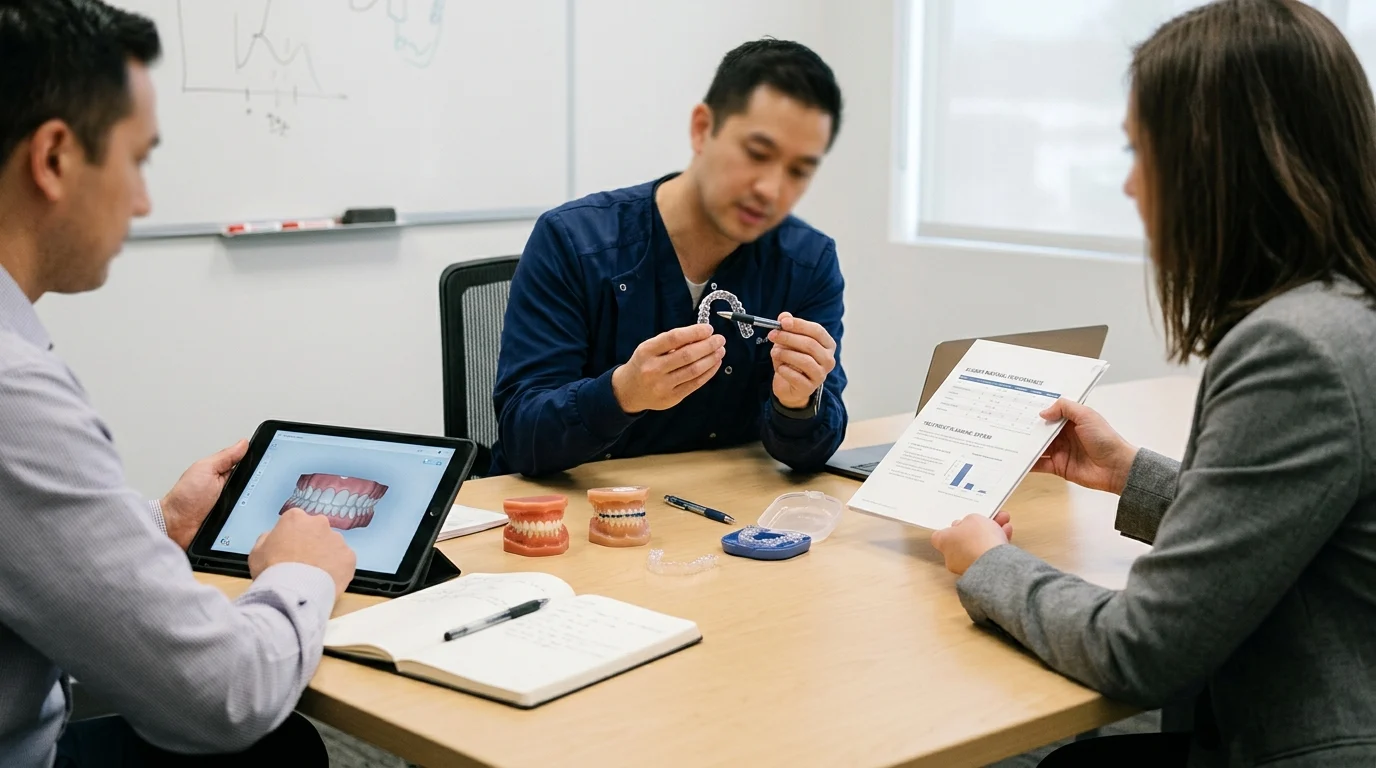
For B2B buyers, committing to a clear aligner supplier is a strategic investment that extends beyond simple unit pricing. It involves integrating a complex technological workflow into existing distribution networks. Capitalizing on clear aligner innovation requires a forward-looking procurement strategy that anticipates market shifts, material advancements, and the evolving needs of orthodontic professionals.
Selection Framework for Products and Suppliers
A robust selection framework should evaluate the holistic capabilities of the manufacturing partner. Buyers should prioritize suppliers that offer a comprehensive orthodontic portfolio. Even in an aligner-dominated market, hybrid treatments are common; a supplier that can also provide high-quality MIM brackets, strong-bond monoblock buccal tubes, lingual buttons, and specialized orthodontic pliers offers a distinct advantage. Consolidating vendor relationships reduces administrative overhead and ensures compatibility when clinicians require adjunctive hardware to assist complex aligner cases.
Turning Innovation into Commercial Advantage
To turn aligner innovation into a sustainable commercial advantage, distributors must leverage flexible purchasing agreements and aggressive go-to-market strategies. Negotiating favorable Minimum Order Quantities (MOQs)—such as starting with 50-case MOQs for custom-branded, white-label aligner lines—allows distributors to test regional markets without excessive capital risk. By marketing the high-tech, low-friction nature of these systems and providing robust clinical education to their B2B clients, procurement teams can transition from being mere logistics providers to indispensable clinical partners, securing long-term profitability in the booming digital orthodontic sector.
Key Takeaways
- Wholesale sourcing and supply-chain implications for Clear aligner innovation
- Specifications, compliance, and commercial terms buyers should validate
- Actionable recommendations for distributors and procurement teams
Frequently Asked Questions
Why do clear aligners keep gaining share over traditional braces?
They reduce SKU complexity, need less storage, and support just-in-time case delivery. Clinics also benefit from shorter checkups and fewer emergency visits.
What should buyers check when sourcing clear aligner products?
Review material type, thickness consistency, digital workflow compatibility, production capacity, and regulatory compliance. Reliable suppliers should also offer stable turnaround times and quality control.
How do clear aligners improve orthodontic practice efficiency?
They streamline appointments because checkups are often faster than bracket adjustments. Fewer broken appliances also help clinics free chair time and increase patient throughput.
Can Denrotary support clinics that use both aligners and fixed appliances?
Yes. Denrotary supplies a full orthodontic portfolio, including self-ligating brackets, buccal tubes, arch wires, power chains, and accessories for mixed-treatment procurement.
Why does manufacturer certification matter for orthodontic procurement?
Certifications like CE, FDA, and ISO13485 help verify quality systems and product consistency. For buyers, that reduces compliance risk and supports more dependable long-term supply.
Post time: Apr-21-2026