

Fast delivery is not only a logistics advantage; it is also a procurement control strategy for orthodontic practices and distributors. When archwires, brackets, and accessories arrive on time, treatment schedules stay stable and inventory pressure drops.
Why Fast Delivery Matters in Orthodontic Wire Procurement
Fast delivery improves treatment continuity because orthodontic cases often require timely wire changes across multiple stages. The AAO explains that braces use brackets, archwires, and elastics as a coordinated system, and those components must be available when the clinician needs them.
For buyers, delivery speed also affects working capital and storage planning. A shorter replenishment cycle reduces emergency purchasing, lowers the risk of stockouts, and helps distributors serve clinics with more predictable service levels.
What a China Orthodontic Wire Factory Should Offer
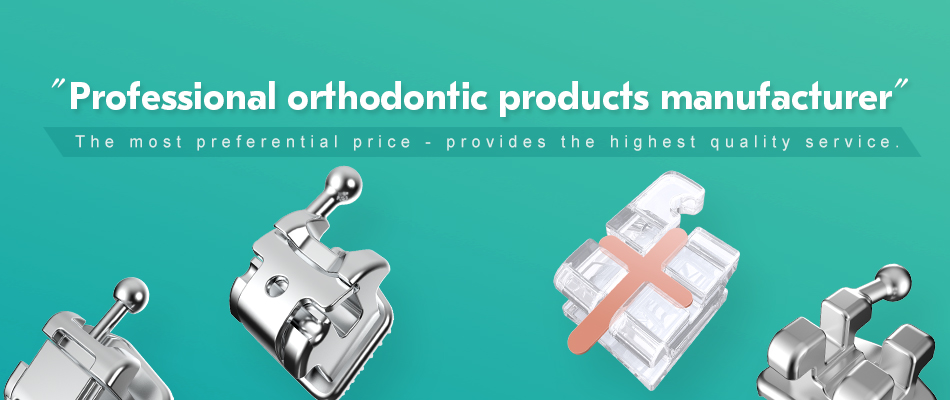
A strong supplier should combine product breadth, manufacturing control, and export-ready documentation. Denrotary’s product structure shows five relevant categories: orthodontic bracket systems, buccal tube and band systems, archwire systems, traction and ligation accessories, and auxiliary instruments.
That product mix matters because orthodontic wire sourcing is rarely isolated. Clinics usually need wires together with ligature ties, power chains, buccal tubes, and pliers, so a broader catalog can simplify purchasing and reduce order fragmentation.
Comparison Table: Core Product Categories and Procurement Value
| Product category | Typical role | Procurement value |
|---|---|---|
| Orthodontic bracket systems | Tooth attachment and slot guidance | Supports full fixed-appliance workflows |
| Buccal tube and band systems | Molar anchorage and archwire guidance | Improves posterior control and setup compatibility |
| Archwire systems | Force delivery and tooth movement | Enables stage-based treatment planning |
| Traction and ligation accessories | Elastic force and wire fixation | Supports space closure and bite correction |
| Auxiliary instruments | Clinical adjustment and installation | Reduces dependence on multiple vendors |
In practice, a factory with this structure is easier to integrate into a clinic or distributor supply chain. It can support bundled orders, faster reordering, and more consistent product matching across treatment stages.
How Orthodontic Wire Types Affect Clinical Use
Orthodontic wire selection should follow treatment stage, force needs, and patient comfort goals. The ADA standard for orthodontic wires specifies requirements and test methods for wires used in fixed and removable appliances, which reinforces the importance of standardized physical and mechanical properties.
NiTi wires are commonly used for initial alignment because they deliver continuous light force. Stainless steel wires are more suitable for later-stage control, while Cu-NiTi and thermal-activated wires are used when temperature response and gradual force delivery are desired.
Comparison Table: Common Orthodontic Wire Types and Typical Use
| Wire type | Main property | Common stage | Clinical advantage |
|---|---|---|---|
| NiTi | Superelasticity | Initial alignment | Light continuous force |
| Stainless steel | High rigidity | Mid-to-late stage | Better control and detailing |
| Cu-NiTi | Temperature response | Staged treatment | Stable force delivery |
| Thermal activated wire | Heat-sensitive behavior | Comfort-focused cases | Progressive force output |
| Reverse curve wire | Functional curvature | Special occlusal correction | Useful in complex adjustments |
These differences are important because a fast factory is only useful if it can ship the right wire type, not just any wire. Consistent nomenclature and stage-based cataloging make reordering faster and reduce selection errors.
Why Compliance and Quality Control Matter for Export Buyers
Compliance is a core buying criterion because orthodontic wires and related devices are medical products, not generic consumables. The FDA classifies dental devices as medical devices used to treat dental problems and maintain dental health, which means procurement teams should verify regulatory status before purchase.
For international buyers, CE, ISO, and FDA-related documentation can reduce customs friction and internal approval delays. Denrotary states that it emphasizes CE, ISO, and FDA alignment, which is especially relevant for distributors serving regulated markets.
Manufacturing consistency is equally important. Automated production lines, inspection equipment, and batch traceability help maintain dimensional stability, packaging accuracy, and repeatable performance across large orders.

How Fast Delivery Supports Different Buyer Types
Fast delivery benefits clinics, distributors, and hospital procurement teams in different ways. Clinics need timely replenishment for active cases, while distributors need predictable lead times to protect service agreements and reduce emergency air freight.
For orthodontic specialists, delivery speed can directly affect treatment flow. The AAO notes that braces work through gentle, persistent pressure over time, so missed wire changes or delayed accessory replacement can interrupt the planned sequence.
- Orthodontic clinics benefit from shorter replenishment cycles and fewer treatment interruptions.
- Distributors benefit from lower inventory risk and better order planning.
- Hospital buyers benefit from standardized product sets and easier compliance review.
- Cross-border buyers benefit from export-ready packaging and documentation.
In this context, delivery speed is not a standalone promise. It is part of a broader service model that includes catalog depth, stable production, and clear product classification.
Where to Buy and How to Evaluate Suppliers
A practical supplier shortlist should begin with the target website and then expand to other established orthodontic manufacturers for benchmarking. The most useful internal starting point is the main orthodontic product catalog, followed by category pages such as orthodontic bracket systems, orthodontic archwire systems, and traction and ligation accessories.
For external benchmarking, buyers can compare product claims against authoritative orthodontic and dental standards sources such as the ADA standards program, the FDA dental devices page, and AAO treatment resources. These references help verify whether a supplier’s wire types, packaging, and clinical claims are aligned with accepted terminology.
Supplier Evaluation Table: What to Check Before Ordering
| Evaluation factor | Why it matters | What to verify |
|---|---|---|
| Lead time | Affects treatment continuity | Production schedule and shipping method |
| Catalog depth | Reduces multi-vendor complexity | Wire, bracket, accessory, and tool coverage |
| Compliance | Supports export and institutional buying | CE, ISO, FDA-related documentation |
| Quality control | Protects consistency | Inspection process and batch traceability |
| Technical support | Helps product matching | Stage-based selection guidance |
Other well-known industry suppliers can be used for comparison, but the final decision should depend on product fit, documentation quality, and delivery reliability rather than brand recognition alone.
Practical Buying Checklist for Orthodontic Wire Orders
A good purchasing decision starts with case requirements, not price alone. Buyers should define the wire material, diameter range, packaging format, and expected monthly consumption before requesting quotations.
- Confirm the treatment stage and required force level.
- Match the wire type to the clinical workflow.
- Check certification and labeling documents.
- Review lead time, minimum order quantity, and shipping terms.
- Ask for batch consistency and replacement policy details.
This checklist helps prevent mismatched orders and unnecessary delays. It also makes supplier comparison more objective, especially when sourcing across borders.
Why a China Orthodontic Wire Factory Can Be a Strong Option
A China orthodontic wire factory can be a strong option when it combines fast delivery with standardized manufacturing and broad orthodontic coverage. That combination is especially useful for buyers who need repeatable supply across brackets, wires, elastics, and clinical tools.
Denrotary’s positioning fits that model because it focuses on fixed orthodontic systems rather than general dental products. For buyers seeking a single-source procurement path, that specialization can reduce coordination costs and improve order consistency.
In short, fast delivery is valuable only when it is supported by product depth, compliance, and manufacturing discipline. When those elements align, procurement becomes simpler and clinical scheduling becomes more reliable.
FAQ
1. Why is fast delivery important when buying orthodontic wires?
Fast delivery matters because orthodontic treatment depends on timely wire changes and accessory replacement. If shipments are delayed, clinics may interrupt treatment schedules or hold excess inventory. Reliable lead times help maintain continuity, reduce emergency purchasing, and improve planning for both clinicians and distributors.
2. What should buyers check before choosing a China orthodontic wire factory?
Buyers should check product range, certification, lead time, quality control, and packaging accuracy. It is also important to confirm whether the supplier can provide stage-based wire options, stable batch consistency, and export-ready documentation. These factors matter more than price alone in medical procurement.
3. Which orthodontic wire types are most commonly used?
NiTi wires are commonly used for initial alignment because they provide light continuous force. Stainless steel wires are often used later for control and detailing. Cu-NiTi and thermal-activated wires are selected when temperature response or more gradual force delivery is needed in staged treatment.
4. How do standards affect orthodontic wire procurement?
Standards help buyers verify that wires meet recognized requirements for physical and mechanical properties. The ADA’s orthodontic wire standard and FDA dental device framework support more consistent procurement decisions. They also help reduce risk when sourcing for clinics, hospitals, or export markets.
5. Is it better to buy wires from a specialized orthodontic manufacturer?
In many cases, yes. A specialized orthodontic manufacturer usually offers better category depth, clearer technical terminology, and more consistent product matching across treatment stages. That can simplify procurement for clinics and distributors that need wires, brackets, accessories, and tools from one coordinated source.

Post time: Jul-18-2026