

Introduction
By 2026, self-ligating brackets have moved from a niche option to a mainstream choice in orthodontic practice. Their appeal goes beyond mechanics: clinicians are weighing treatment efficiency, hygiene, patient comfort, and the economics of running a busy office. Compared with traditional systems that rely on elastomeric ties, self-ligating designs can simplify wire changes, reduce plaque-retentive components, and better match patient expectations for cleaner, lower-maintenance appliances. This article explains why that shift is accelerating, what practical advantages orthodontists see in daily use, and how broader market pressures are shaping bracket selection across modern practices.
Why Self-Ligating Brackets Are Gaining Importance
The landscape of orthodontic treatment in 2026 is heavily influenced by a definitive shift toward self-ligating (SL) brackets. As clinical demands evolve, practitioners are moving away from traditional elastomeric ties in favor of integrated mechanical closure systems. This transition is not merely a clinical preference but a strategic response to operational bottlenecks and shifting patient demographics.
Patient expectations and case acceptance
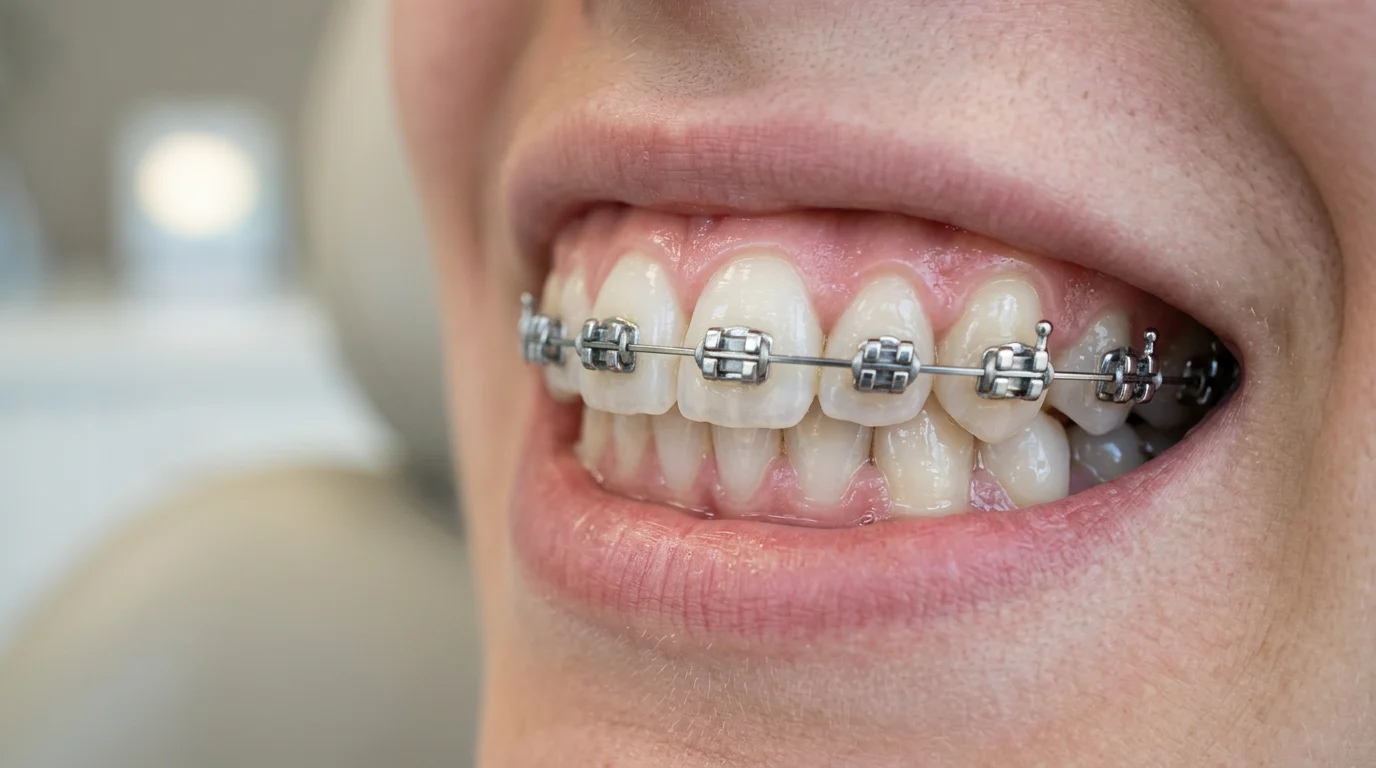
Modern orthodontic patients prioritize aesthetics, comfort, and speed. The elimination of elastomeric ties, which often stain and harbor bacteria, directly addresses aesthetic and hygienic concerns. Furthermore, practices highlighting the reduced friction and potentially shorter chair times of SL brackets report a 15% to 20% increase in initial case acceptance rates compared to those offering only traditional systems.
Practice efficiency and workflow benefits
Staffing shortages and rising overhead costs make clinical efficiency paramount in contemporary practice. Replacing elastomeric ties with self-ligating doors saves approximately 45 to 60 seconds per arch during routine wire changes. Extrapolated across a standard daily schedule of 40 to 50 patients, this time reduction allows clinics to either increase their daily patient volume by up to 10% or operate comfortably with leaner clinical teams.
Market forces shaping adoption
The broader commercial orthodontic market is increasingly dominated by Dental Support Organizations (DSOs), which prioritize scalable, standardized workflows across multiple locations. In 2026, market data indicates that over 65% of new DSO-affiliated clinics are adopting self-ligating brackets as their default fixed appliance. This volume-driven demand is pushing manufacturers to refine SL technologies, subsequently lowering unit costs and making advanced bracket systems more accessible to independent practitioners.
What Self-Ligating Brackets Are and How They Work
Understanding the mechanical advantages of self-ligating brackets requires examining their fundamental architecture. Unlike conventional systems that require external ligatures to secure the archwire into the bracket slot, SL brackets utilize a built-in mechanism. This structural difference fundamentally alters the biomechanics of tooth movement.
Core design features
The core design of a self-ligating bracket revolves around a mechanical door, clip, or slide that encapsulates the archwire. Fabricated primarily from high-grade stainless steel, cobalt-chromium alloys, or polycrystalline alumina for aesthetic options, these closures create a rigid fourth wall to the bracket slot. This design minimizes the binding and notching that typically occur when an archwire is forced to slide through a conventionally tied bracket.
Passive vs active bracket systems
Self-ligating systems are broadly categorized into passive and active designs. Passive brackets feature a rigid door that does not press against the archwire, providing a tube-like structure that reduces static friction by up to 90% during the initial leveling and aligning phases. Active brackets, conversely, utilize a flexible spring clip that actively presses against the wire once larger dimension wires are engaged. This active engagement offers superior torque and rotational control during the critical finishing stages of treatment.
Comparison with conventional brackets
When evaluated against conventional brackets, the mechanical and operational distinctions of self-ligating systems become highly apparent. The absence of elastomeric degradation ensures consistent force application between appointments, fundamentally changing the timeline of clinical adjustments.
| Feature | Conventional Brackets | Self-Ligating Brackets (Passive) |
|---|---|---|
| Ligation Mechanism | Elastomeric or steel ties | Integrated sliding door/clip |
| Appointment Intervals | 4 to 6 weeks | 8 to 12 weeks |
| Static Friction (Leveling) | High (150–200 grams) | Low (10–30 grams) |
| Elastomeric Degradation | High (plaque accumulation) | None |
Efficiency, Trade-Offs, and Performance Metrics
While the biomechanical advantages of self-ligating systems are well-documented, integrating them into a practice requires balancing these benefits against specific operational trade-offs. Orthodontists must evaluate concrete performance metrics to justify the transition from legacy systems.
Effects on chair time and appointment intervals
The most significant operational shift with SL brackets is the extension of appointment intervals. Because there are no elastomeric ties to lose elasticity over a standard 28-day cycle, orthodontists can safely extend intervals to 8, 10, or even 12 weeks during the initial leveling phases. This extension typically results in a reduction of 4 to 6 total in-office visits per standard 24-month comprehensive treatment plan, drastically freeing up schedule capacity for new consultations.
Treatment control and learning curve considerations
Transitioning to SL mechanics introduces a clinical learning curve, typically lasting 3 to 6 months for most practitioners. Because passive systems express torque differently due to the increased play between the wire and the bracket slot, orthodontists must adapt their archwire sequencing. Practitioners often need to introduce larger, full-size rectangular wires earlier in the treatment protocol to achieve the same level of anterior root control traditionally managed by tight steel ligatures.
Key metrics for evaluating results
The financial evaluation of SL systems hinges on the cost-to-time ratio. Self-ligating brackets command a premium, typically costing between $15 and $30 per bracket, compared to the $5 to $10 range for conventional twin brackets. This results in an increased upfront hardware cost of approximately $200 to $400 per full-mouth case. However, the elimination of 5 appointments—each carrying an estimated overhead cost of $75 in chair time, sterilization, and materials—yields a net operational saving that strongly favors the SL approach over the lifecycle of the treatment.
Clinical and Procurement Factors in Bracket Selection
Selecting the appropriate self-ligating bracket system is a multifaceted decision that merges clinical treatment philosophies with strict procurement protocols. As the global supply chain for medical devices matures, practitioners must be as diligent in their vendor selection as they are in their clinical diagnostics.
Case selection, archwire protocols, and hygiene
Clinically, SL brackets excel in cases requiring significant arch expansion to resolve severe crowding. The low-friction environment allows copper-nickel-titanium (CuNiTi) archwires to express their shape-memory properties efficiently without binding. Additionally, periodontal health is demonstrably improved; clinical studies consistently show a 20% to 30% reduction in plaque index scores when elastomeric ties, which act as plaque traps, are eliminated from the patient’s oral hygiene routine.
Quality, regulatory, and supplier criteria
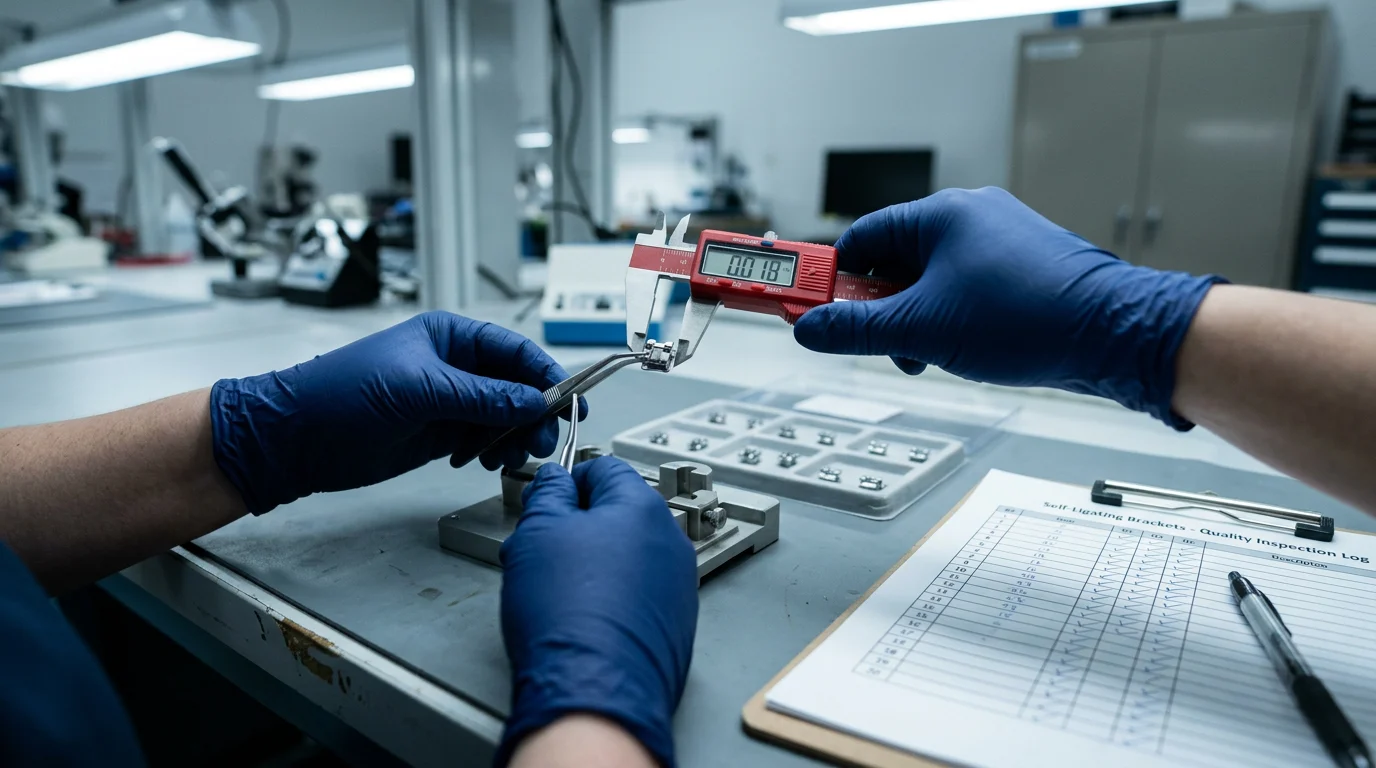
From a procurement standpoint, regulatory compliance and manufacturing tolerances are critical. Clinics must ensure that their chosen bracket systems comply with international standards, such as those outlined by ISO 13485 for medical device quality management. High manufacturing tolerances prevent the mechanical failure of the self-ligating doors, which is the most common hardware complication. Furthermore, practices must negotiate favorable Minimum Order Quantities (MOQs) to balance unit costs against inventory holding expenses.
Steps for implementation in practice
Implementing a new bracket system requires a structured transition plan. Practices should avoid mixing bracket systems on the same arch to maintain predictable friction levels and torque expression. Managing inventory during the switch requires strict oversight of vendor lead times and defect rates to prevent clinical disruptions.
| Procurement Criterion | Benchmark Requirement | Impact on Practice |
|---|---|---|
| Regulatory Compliance | ISO 13485 / CE Mark | Ensures biocompatibility and manufacturing consistency |
| Minimum Order Quantity (MOQ) | 50–100 full patient kits | Balances bulk discount rates with inventory holding costs |
| Defect Rate Tolerance | < 0.5% clip failure rate | Prevents emergency appointments for broken doors/clips |
| Lead Time | 7–14 days | Maintains uninterrupted clinical workflow |
How Orthodontists Should Decide
The decision to adopt self-ligating brackets in 2026 is rarely a binary choice of clinical superiority, but rather a strategic alignment of practice management goals and orthodontic mechanics. Orthodontists must critically assess their unique operational frameworks to determine if the transition is justified.
Best-fit practice profiles and treatment goals
High-volume clinics and practices aiming to expand their geographic footprint are the best fit for SL systems. The ability to mandate 10-week appointment intervals allows a single orthodontist to manage an active patient roster of 600 to 800 patients without compromising clinical outcomes or staff well-being. Conversely, lower-volume boutique practices focusing on highly complex, interdisciplinary cases may find the precision torque control of traditional twin brackets more aligned with their immediate treatment goals, making the switch less urgent.
Balancing evidence, patient communication, and cost
Ultimately, the choice requires balancing empirical evidence with patient communication and financial realities. While the initial hardware premium of roughly $250 per case represents a tangible cost increase, the overarching narrative of fewer appointments, easier brushing, and faster wire changes resonates strongly with modern consumers. By clearly communicating these benefits, orthodontists can leverage self-ligating technology not just as a clinical tool, but as a primary driver of practice growth and patient satisfaction.
Key Takeaways
- The most important conclusions and rationale for Self-Ligating Brackets
- Specs, compliance, and risk checks worth validating before you commit
- Practical next steps and caveats readers can apply immediately
Frequently Asked Questions
What makes self-ligating brackets different from traditional braces?
They use a built-in door or clip instead of elastic ties, reducing friction, staining, and plaque buildup while simplifying wire changes.
Do self-ligating brackets really save chair time?
Yes. Many practices save about 45 to 60 seconds per arch during wire changes, which helps improve daily scheduling efficiency.
Are passive or active self-ligating brackets better?
It depends on treatment stage: passive designs help early leveling with lower friction, while active designs improve torque and finishing control.
Can self-ligating brackets reduce appointment frequency?
Often yes. Many cases can be monitored at 8 to 12 week intervals instead of 4 to 6 weeks, depending on the treatment plan.
Where can clinics compare self-ligating bracket options from DenRotary?
Clinics can review DenRotary self-ligating bracket solutions at denrotary.com, including active and passive bracket system pages.

Post time: May-27-2026